
A leaking water heater in McDonough is worth treating as urgent, mostly because water spreads quickly into floors, walls and anything stored nearby. A leaking water heater is a tank, fitting or valve letting water escape, and the source decides whether it is a repair or a replacement. The steps above are the safe ones. After that, one call gets an experienced local pro heading your way, with same-day dispatch where available.
The rest of this page explains where the water usually comes from, which leaks can be repaired and which mean the tank has failed. You do not need to work any of that out before you call. Telling us what you see is enough.
What to do right now if your water heater is leaking in McDonough
Then call. A person asks where the water is, how much there is and whether it is still coming, and sends a pro who knows McDonough homes. You hear the options and the upfront price before any work begins.
Water on the floor right now? Reach a person who can send help.
Call before the leak spreadsWhere the water is coming from: fittings, valve, drain valve or the tank
Water that pools near a heater is not always the tank. Pipes and valves can drip and the water runs to the floor, so the first job is finding the real source.
- 1Top connections. Pipes and fittings at the top can drip when a joint loosens or corrodes, and the water runs down the outside of the tank. These are often repairable.
- 2Relief valve and its pipe. A drip or flow from the discharge pipe has several possible causes, covered below.
- 3Drain valve. Low on the tank, a worn valve can weep slowly and leave a puddle that looks like a tank leak.
- 4The tank itself. Water at the base with no other source usually means the tank has failed.
Reading the diagram will not replace a pro on site, but it helps you describe what you see on the call.
Water heater leaking from bottom: when the tank itself has failed
A water heater leaking from the bottom is the version people fear most, and sometimes the fear is justified. Inside, the tank is steel, and over time sediment and corrosion wear on it. Once a steel tank has corroded through, it cannot be patched.
Not every puddle at the base of a leaking water heater in McDonough means the tank is gone, though. A weeping drain valve, a fitting dripping down the side or condensation can all land water in the same spot. The pro checks each before calling it. If the tank is the source, the honest answer is replacement, and the pro explains the options and the price first.
Relief valve leaking: what the discharge pipe is telling you
The relief valve is a safety part. It opens to release excess pressure or heat, and a discharge pipe carries that water down toward the floor. A drip or a steady flow from that pipe is a message worth reading.
Sometimes the valve is doing its job because pressure in the water system is high, which a plumbing setup without room for expansion can cause. Sometimes the valve itself is worn and passes water when it should not. Sometimes heat is the cause. The pro tests the system and tells you which it is.
Leave the valve and its pipe as they are until the pro arrives. They are there for a reason.
Leaks that can be repaired vs a tank that has failed
The split is simpler than it sounds.
| Where the water starts | What usually happens |
|---|---|
| Top fittings and connections | Often repairable with new fittings or connectors |
| Relief valve or discharge pipe | The valve is tested and replaced if it is the cause, and the pro checks water pressure |
| Drain valve | Often repairable by replacing the valve |
| The tank itself | Replacement, because a failed tank cannot be patched |
On a gas water heater, the pro also checks the burner area for water and rust before anything else, and on an electric water heater the same check applies to the elements and wiring area. Both checks are the pro's job, not yours.
Water around water heater: protecting floors, closets and ceilings below
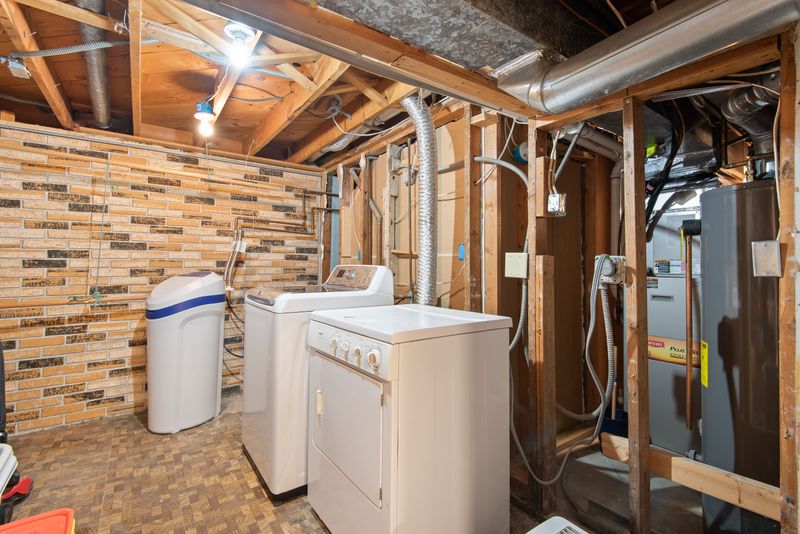
Water around a water heater does damage in places you cannot always see. It runs under closet doors, soaks into drywall and drips through ceilings below an attic or upstairs closet. The sooner the supply to the heater is closed and the area is cleared, the less there is to dry out later.
Tell the pro where the heater sits and what is under or beside it. A heater above living space needs a different plan from one on a garage slab.
Replacement after a tank leak
If the tank behind a leaking water heater in McDonough has failed, a replacement is the repair. The pro goes over size, fuel type and venting with you, and explains the price before any work begins. A leak usually leaves you with no hot water until the new heater is in, so ask on the call what the pro can do the same day where available.
If your home has an old heater and no drain pan, mention it. A replacement is the moment to fix that.
Drain pans and leak alarms
A drain pan under the heater, piped to a safe drain where possible, catches a slow leak early, so a leaking water heater in McDonough stays a small problem. A battery-powered leak alarm on the floor beside the heater gives an early warning. Neither fixes a leak, and neither is a substitute for a heater in good condition, but both buy you time to call. The pro can explain what suits your layout.
Leaks in McDonough homes: garages, closets, attics and basements
Where the heater sits decides how far a leak travels. In a garage, water reaches a slab and usually spreads out. In a closet, it runs into hallways and flooring. In an attic, it comes through the ceiling below. In a basement or crawl space, it can sit unnoticed.
The 2010s slab homes off Lake Dow Road, covered in water heater repair in Bridleridge, often keep the heater in a garage or closet. The late-2010s homes with three-car garages in water heater repair in Clearwater Pointe give the heater more room but still need a clear route for water to drain. Older in-town homes can have heaters in crawl spaces or basements where a slow leak hides for a while.
Whatever the layout, the first call is the same: describe where the heater is and what you can see.